








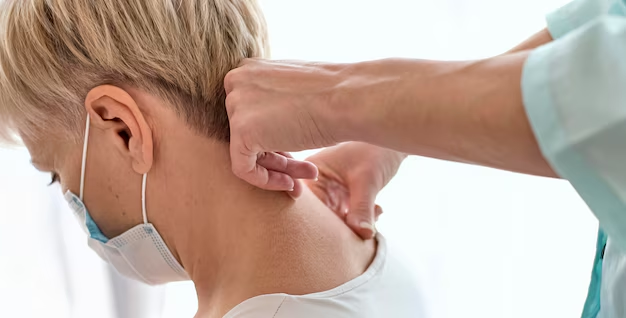
That stubborn pain in your neck after a long day at the computer… the stiffness you feel while turning your head during a bike ride… or the headache that starts at the base of your skull and spreads forward—these complaints have become extremely common across Odisha. For many, the moment a doctor mentions “cervical spondylosis,” anxiety sets in. But here’s the truth: spondylosis is not a dangerous disease. It merely represents the gradual deterioration of the neck’s spinal disks, akin to the formation of wrinkles on the skin over time.
In other words, cervical spondylosis is an age-related, lifestyle-accelerated condition, and for most people, it is highly manageable with the right care.
The Modern Odia Neck: Why It Is Under Constant Strain
Life in Odisha today places unique pressures on the neck. Whether in urban hubs or rural regions, our daily habits have a direct impact on cervical health.
The Smartphone Epidemic: “Tech Neck”
Scrolling reels, chatting on WhatsApp, watching movies—most of us spend hours looking down at our phones. This bends the neck forward, increasing its load by several kilograms. Over time, this posture can lead to neck stiffness, muscle fatigue, and early onset of spondylosis.
Desk Job Dilemmas in Bhubaneswar, Cuttack & Rourkela
Office workers often use laptops placed too low, sit on chairs without back support, or work long hours without breaks. Poor ergonomics compress the cervical spine and weaken neck muscles—making neck pain and headaches a daily routine.
The Commuter’s Strain
Bike rides on bumpy roads, long auto-rickshaw commutes, and constant jerks stress the neck. Leaning forward on the bike or hunching in an auto affects posture and accelerates disc wear.
The Ageing Process (Natural, but Accelerated by Lifestyle)
From middle age onwards, spinal disks naturally dry out and thin. This process is normal. But poor posture, long screen time, and repetitive strain make spondylosis appear earlier and more painfully.
Beyond Pain: Recognising the Symptoms
Neck pain is just one sign. Cervical Spondylosis often presents with:
- Neck stiffness, especially in the morning
- Headaches starting from the neck
- Shoulder or upper back pain
- A grinding or “cracking” sensation while moving the neck
- Radiating pain, numbness, or tingling in the arms or hands
- Occasional dizziness in some cases
These symptoms occur because the neck contains nerves that supply the shoulders, arms, and even parts of the head.
It’s Not Just a Painkiller Fix: The Road to Proper Diagnosis & Management
Temporary relief through balms or tablets may ease the symptoms, but they do not address the root cause. Proper recovery begins with a professional diagnosis.
Diagnosis Usually Involves:
- A simple physical exam
- Posture and movement assessment
- X-Ray to check bone changes
- MRI only if nerve compression is suspected
Physiotherapy: The Cornerstone of Treatment
Talk to any spine expert, and the first recommendation will be Physiotherapy.
Physiotherapy helps by:
- Strengthening neck and shoulder muscles
- Correcting posture
- Improving flexibility
- Reducing nerve irritation
- Preventing long-term wear and tear
Other Medical Options
Doctors may suggest:
- Anti-inflammatory medication
- Muscle relaxants
- Hot/cold therapy
- Short-term use of a cervical collar
- In rare cases, targeted injections
But all these must be guided by a qualified professional—not random advice from neighbours or social media.
Your Daily Armour: Simple Prevention Tips
These small, daily habits can drastically reduce neck pain:
- Keep phone at eye level; avoid prolonged bending
- Adjust chair height and screen position at work
- Take a 2-minute break every 45 minutes
- Perform gentle neck stretches twice a day
- Use a thin pillow; avoid sleeping on high, soft pillows
- Maintain a straight posture while riding a bike
- Avoid sudden jerks while lifting or working
For reliable public health information
Conclusion: Spondylosis Is Manageable—Don’t Fear It, Understand It
Cervical Spondylosis is not a life-threatening condition. It is a common, predictable outcome of modern lifestyle patterns and ageing. What matters is recognising symptoms early and choosing evidence-based care. With proper posture, physiotherapy, and timely diagnosis, most people in Odisha can enjoy a pain-free, active life—without fear, panic, or unnecessary suffering.