
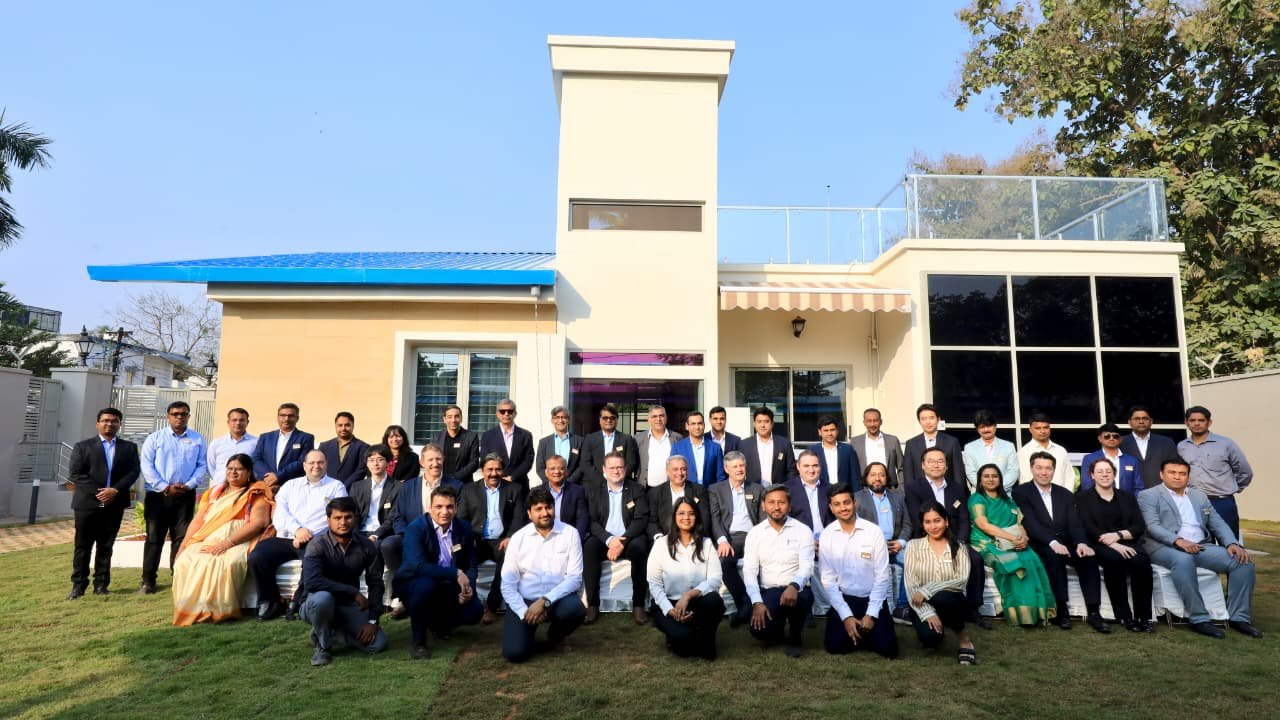







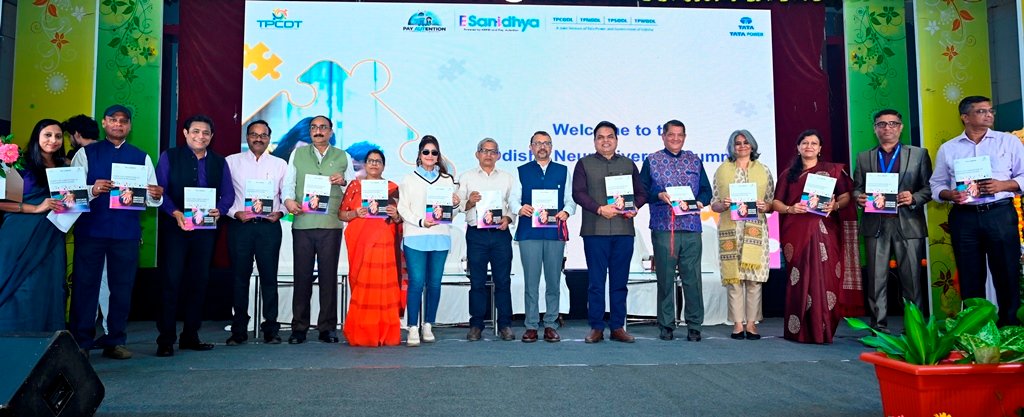
Bhubaneswar, 17 November 2025: Tata Power, through its social impact arm – the Tata Power Community Development Trust (TPCDT) – and in collaboration with the Tata Power–led Odisha discoms, successfully hosted the first-ever Odisha Neurodiversity Summit 2025 at Rama Devi Women’s University. Held under the banner of Pay Autention – a Phygital (Physical + Digital) Autism Support Network, the summit marked a pioneering step in strengthening Odisha’s neurodiversity ecosystem, mainstreaming awareness, and expanding the reach of the Pay Autention platform across the state.
According to a 2021 study published in the Indian Journal of Paediatrics, 1 in 68 children in India is affected by autism. Despite rising prevalence, significant gaps persist in India’s neurodiversity care ecosystem, underscoring the urgent need for accessible support and awareness.
The summit witnessed participation from over 400 attendees, including more than 200 neurodiverse individuals and persons with disabilities, caregivers, special educators, volunteers, and representatives from corporates and civil society. Through leadership dialogues, experiential workshops, and inclusive exhibitions, the event created a platform for knowledge exchange and community collaboration to strengthen Odisha’s neurodiversity inclusion efforts.
An informative resource titled “Guide for Caregivers of Neurodiversity” was also launched to help parents and educators understand fundamentals of neurodiversity, including distinctions between neurotypical and neurodivergent profiles to co-existing challenges and holistic wellbeing approaches.
Speaking on the occasion, Mr. Himal Tewari, Chief Human Resources Officer and Chief Sustainability & CSR, Tata Power, said, “At Tata Power, inclusion is not just a vision, but a mission realized through Pay Autention, empowering neurodiverse children and their caregivers across India. Through the Odisha Neurodiversity Summit 2025, we aim to take this mission to the last mile – building an inclusive Odisha that celebrates diverse strengths and creates opportunities for all. This partnership between Tata Power and the Government of Odisha reflects our shared commitment to creating equitable opportunities for every individual. We are further complementing this through regional workshops and our digital platform E-Sanidhya for mass outreach.”
Aligned with its efforts to build awareness and collaboration among key stakeholders towards inclusive growth, Tata Power also brought together changemakers from the Government of Odisha including Ms. Bratati Harichandan, IAS (Retd.), State Commissioner for Persons with Disabilities, and Mr. Akash Das Nayak, Hon’ble MLA and Eminent Artist; Tata Group company representatives from Tata Steel, Croma, Tata Strive, Tata Class Edge, Tata Community Initiatives Trust and Tata Trusts; NGO partners such as Mahashakti Foundation, Movement for Urbanisation, Iyurved, Youth4Jobs, Akshada Foundation, and Atypical Advantage; and Tata Power senior leaders Mr. Gajanan Kale (Chief, Odisha Distribution Business & CEO, TPNODL), Mr. Arvind Singh (CEO, TPCODL), Mr. Amit Garg (CEO, TPSODL), and Mr. Parveen Verma (CEO, TPWODL), along with Mr. Prabhat Pani (Trustee, TPCDT) and Prof. Chandi Charan Rath (Vice Chancellor, RDWU), Mr. Pankaj Kumar Singh, (Chief Community Impact, Tata Power), and Mr. Pradeep Ghoshal (Head CSR, Odisha).
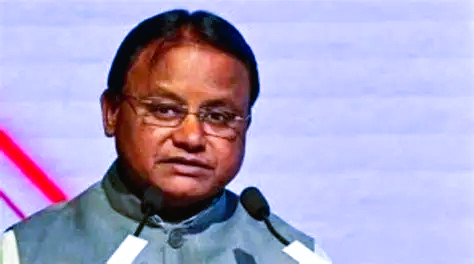
Sharing her perspective, Ms. Bratati Harichandan, IAS (Retd.), State Commissioner for Persons with Disabilities, Government of Odisha, remarked, “Awareness on neurodiversity is crucial for society. For many families, the issue may seem distant, yet inclusion begins with understanding. It is the neurotypical population that must be educated on acceptance and empathy. Autism is a spectrum — every child need support tailored to them; there is no one-size-fits-all. Hosting the Odisha Neurodiversity Meet in a women’s college is especially significant, as sensitising young women today helps shape a more inclusive tomorrow. Initiatives like Tata Power’s Pay Autention are commendable, and I urge more organizations and institutions to join this journey and make inclusion a shared societal mission.”
The summit also featured interactive and experiential zones, including dance and music therapy, inclusive art spaces, disability-rights awareness modules, and live art installations encouraging empathy-based learning. The event concluded with a collective commitment to expanding the Pay Autention network across Odisha through partnerships with schools, community organisations, and healthcare providers to enable early screening, caregiver training, and inclusive education support.
The initiative builds on Tata Power’s participation in national inclusion platforms such as Purple Fest 2025, reaffirming the company’s long-term commitment to diversity, equity, and inclusion through awareness, advocacy, and action. Through its flagship initiative Pay Autention, and with the support of over 500 partner organizations, experts, and 12+ Tata Group companies, Tata Power has reached thousands of individuals, particularly from underserved communities—through initiatives spanning early diagnosis, caregiver support, skill development, inclusive education, and workplace inclusion efforts.
From tech expos and street plays to accessible fairs, Abilympics participation, and digital tools like E-Sanidhya and a toll-free helpline, Tata Power continues to leverage creative and tech-enabled formats to foster understanding and reduce barriers for neurodiverse communities.
E-Sanidhya, a pioneering digital platform under Pay Autention, bridges the gap between educators, caregivers, and children with special needs by providing practical tools, training, and resources that make inclusion achievable at home, school, and community levels.
Launched in 2022 by TPCDT in collaboration with the Center for Autism and other Disabilities Rehabilitation Research and Education (CADRRE), Pay Autention aims to reach 1,000 institutions by 2027.