














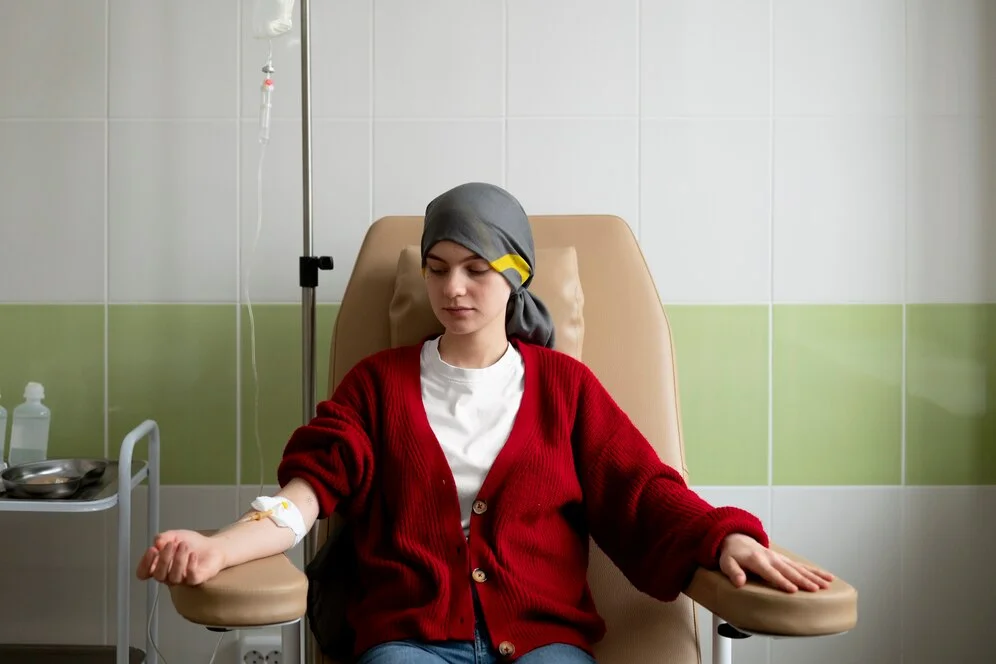
For many patients and families, the moment cancer is diagnosed, one silent fear rises above all others: “Will the pain be unbearable?” This fear often feels heavier than the illness itself. But here is the truth that every patient deserves to hear clearly and without hesitation: Cancer pain is treatable. No one has to suffer in silence. Modern medicine offers powerful, safe, and compassionate ways to control pain at every stage of the cancer journey.
Why Does Cancer Cause Pain? Understanding the Source
Cancer-related pain is not a single type of pain; it comes from different sources. When we understand why it happens, the experience becomes less mysterious and less frightening.
- Pain from the Tumour Itself
- A tumour may press on bones, causing a deep, constant ache.
- It may compress nerves, creating sharp, shooting, or burning pain.
- It may push against organs, leading to cramping, pressure, or discomfort.
- Pain from Treatment
Cancer treatments save lives, but they can cause temporary pain:
- Chemotherapy may cause nerve pain or mouth sores.
- Radiation may lead to skin irritation or tissue inflammation.
- Surgery can cause healing pain or scar-related discomfort.
- Chronic Pain After Recovery
Even when the cancer is gone, some survivors experience long-term pain due to nerve damage, scar tissue, or treatment effects.
A Spectrum of Sensations: Putting Words to the Pain
Cancer pain is not the same for everyone. Calling it simply an “ache” hides its complexity. It may feel like:
- A dull, constant ache
- A sharp, stabbing pain
- A burning or tingling sensation
- A tight, pressing discomfort
- A radiating pain spreading to the back, legs, or shoulders
You are not imagining it. Your pain is real, valid, and deserves attention.
Modern Pain Relief: More Than “Strong Medicine”
Today, Palliative Care is an essential part of cancer treatment—not an option for the final stages, but a support system available from day one. Its goal is simple: relief, comfort, and dignity.
Medications: Based on the WHO Analgesic Ladder
Doctors follow a step-by-step method:
- Step 1: Mild pain — paracetamol, NSAIDs
- Step 2: Moderate pain — mild opioids
- Step 3: Severe pain — stronger opioids like morphine
Here is the most important truth:
When morphine is used for cancer pain under medical supervision, the risk of addiction is extremely low.
It is given to control pain so the patient can eat, sleep, and think—not to create any “high.” Choosing pain relief is not “giving up.” It is about choosing quality of life.
Interventional Techniques
For pain that is hard to control with medicines alone, doctors may use:
- Nerve blocks
- Epidural injections
- Targeted local treatments
These offer relief without affecting the entire body.
Supportive Therapies
Pain is not only physical. Emotional and mental distress can worsen it. Helpful therapies include:
- Physiotherapy
- Counseling
- Relaxation and breathing techniques
- Mindfulness and guided imagery
These help reduce the “total pain”—the combination of physical, emotional, and psychological suffering.
The Crucial Conversation: Talk to Your Doctor About Your Pain
Many patients hesitate to speak about their pain. They don’t want to “bother” the doctor or fear that stronger medicine means worsening disease.
But you are the only expert in your pain, and doctors rely on your words. A simple script can help:
- “My pain is 7 out of 10.”
- “It feels like burning.”
- “It stops me from sleeping.”
- “It gets worse when I walk or lie down.”
These details guide your treatment.
A Message to Families and Caregivers
If you are caring for someone with cancer, your role is powerful.
Listen. Observe. Advocate.
You are not encouraging addiction or weakness by asking for pain relief.
You are ensuring comfort, dignity, and humanity—things every patient deserves.
A Final Word of Hope
Cancer pain does not have to be endured. It can be managed. It must be treated.
With the right combination of medication, supportive care, and honest conversation, patients can reclaim comfort and continue living with meaning and connection.
Pain relief is not a luxury—it is a right. And no one should face cancer pain alone or in silence.