







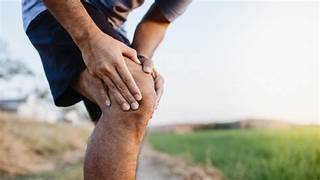
Knee pain is among the most common musculoskeletal problems affecting people across Odisha today. Whether it’s a middle-aged office worker climbing stairs, a homemaker standing for long hours, or a senior citizen struggling to walk comfortably, knee pain can gradually interfere with mobility, independence, and overall quality of life. Many people delay seeking professional knee pain management, assuming the pain is temporary or age-related — often leading to worsening symptoms.
Why Knee Pain Is Increasing Rapidly
Several factors contribute to the rising cases of knee pain:
Age-related joint degeneration (osteoarthritis)
Obesity and increased pressure on knee joints
Previous injuries or untreated trauma
Sedentary lifestyle and weak thigh muscles
Repetitive strain from squatting or stair climbing
In Odisha, a combination of lifestyle changes and delayed medical consultation has made knee pain a leading cause of disability among adults.
Common Knee Pain Symptoms You Shouldn’t Ignore
Ignoring early symptoms can cause long-term damage. Warning signs include:
Pain while walking, climbing stairs, or standing
Swelling or stiffness in the knee
Clicking or grinding sounds
Reduced range of motion
Pain that worsens at night or after activity
These symptoms often indicate cartilage damage, inflammation, or nerve involvement.
Why Painkillers Alone Are Not Enough
Many patients rely on painkillers for relief. While medications may reduce pain temporarily, they do not treat the underlying cause. Long-term use can also lead to gastric and kidney problems.
Modern knee pain management focuses on identifying the root cause and providing targeted treatment rather than temporary relief.
Advanced Non-Surgical Knee Pain Treatments
Today, patients have access to minimally invasive options such as:
Image-guided knee injections
Nerve blocks for chronic knee pain
Radiofrequency procedures
Regenerative therapies like PRP
These treatments help reduce inflammation, improve joint function, and delay or avoid surgery.
Lifestyle Changes That Protect Knee Health
Maintain a healthy body weight
Strengthen quadriceps and hamstrings
Avoid excessive squatting
Use proper footwear
Stay physically active with low-impact exercises
Living Independently Without Knee Pain
Early diagnosis and timely treatment can help people stay active and independent for years. Knee pain should not be accepted as a normal part of life — effective solutions are available when addressed early.