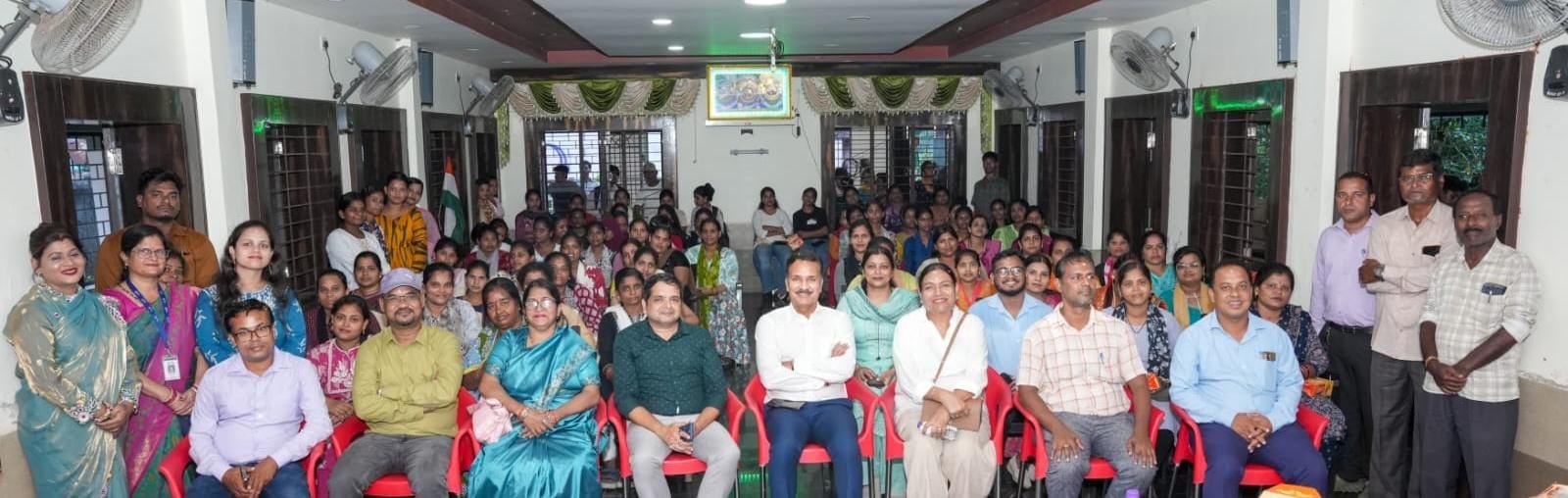



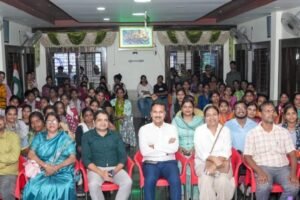




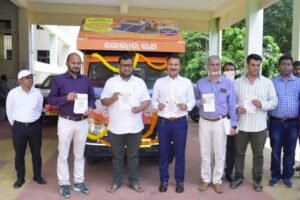
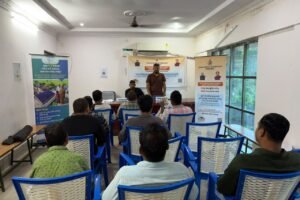
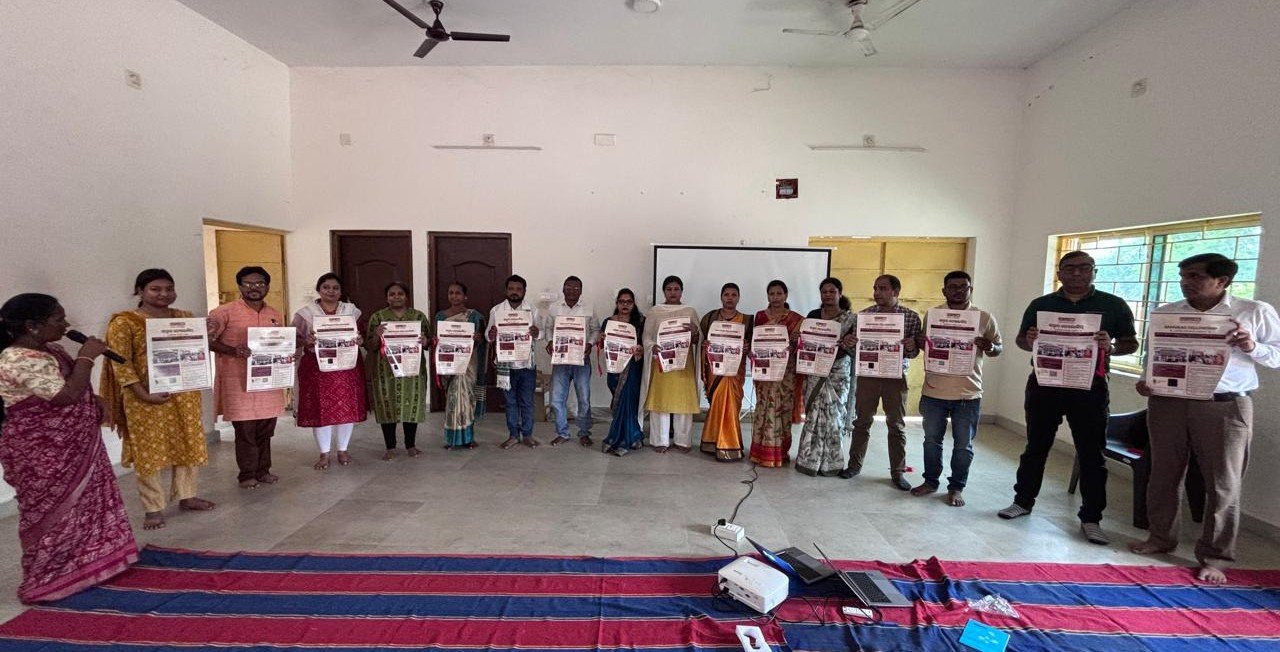
Kalinganagar, May 12, 2026: In a significant step toward safeguarding indigenous culture, Tata Steel Foundation (TSF) launched the 10th edition of ‘Samvaad Fellowship’ at Adivasi Youth Club, Gobarghati Phase 2. The event was graced by Chief Guest Rajendra Kalundia, Chairman, Special Development Council, Jajpur, who emphasised the vital importance of protecting local traditions. Among others present on the occasion were Rasmiranjan Nayak, Head, Rehabilitation and Resettlement, Tata Steel Kalinganagar; and Debanjan Mukherjee, Head, Kalinganagar Impact Cluster, TSF, along with officials of Tata Steel, and TSF.
Around 120 community members participated in the event, including Tribal Language Teachers, Samvaad Fellows and alumni, representatives from NINL, and members of the Kalinganagar Working Committee.
As part of this launch, tribal youth aged 18 to 35 from 24 panchayats across Danagadi, Bamnipal, and Sukinda regions will convene to exchange ideas and co-create strategies to ensure their vibrant heritage remains a thriving legacy for future generations.
Launched in 2017, the Samvaad Fellowship supports tribal youth in documenting and safeguarding tribal languages, oral traditions and cultural practices that are at risk of being lost. The fellowship provides financial support, mentorship and opportunities for community-based research and documentation.
Over the past nine editions, the Samvaad Fellowship has enabled impactful initiatives across India, including the preservation of endangered tribal languages, documentation of folk songs, dances, indigenous games, medicinal knowledge, traditional food systems and the creation of children’s literature rooted in tribal folklore.
Over the last 10 years, the fellowship has supported 64 fellows and facilitated the creation of 34 literary works, 32 songs, 11 documentaries, and two community heritage institutions, contributing significantly to the preservation of India’s diverse tribal heritage.
The Samvaad Fellowship seeks to bridge the gap between ancient wisdom and modern life by supporting tribal practitioners, researchers, artists, and cultural leaders. By ensuring that indigenous knowledge systems remain living and relevant, the initiative fosters a deep-rooted connection to everyday community life.