








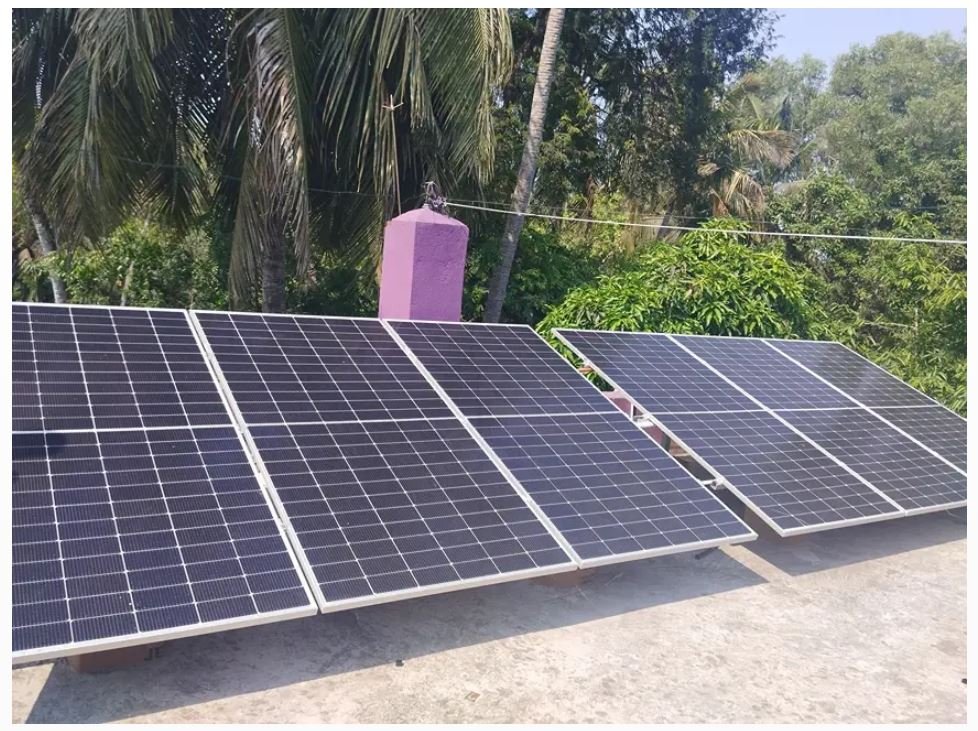
Odisha has crossed a significant milestone in its rooftop solar journey, with 1 lakh rooftop solar installations completed under the ULA approach within a single year. The achievement has contributed to the state’s broader rooftop solar growth, with total rooftop solar installations in Odisha now surpassing 2 lakh under the PM Surya Ghar: Muft Bijli Yojana.
The milestone marks a significant acceleration in household solar adoption in the state. From around 15,000 rooftop solar installations a year ago, Odisha has rapidly expanded its adoption, demonstrating how financial support, focused consumer outreach, effective implementation and active participation from distribution companies can help take rooftop solar to households at scale.
Launched by the Government of India in February 2024, PM Surya Ghar aims to enable rooftop solar for one crore households across the country. Central financial assistance has helped reduce the upfront cost of installation, while Odisha’s state-level support has further strengthened the proposition for consumers. Eligible households in the state can receive combined central and state assistance of up to ₹1.38 lakh.
The achievement of 1 lakh ULA installations within one year is particularly significant as the ULA approach takes rooftop solar beyond individual household installations and enables adoption at the community level. By bringing multiple eligible households within a locality or village into the programme, the approach can help create greater awareness, visibility and confidence around rooftop solar.
Affordability, however, is only one part of the adoption equation. Awareness, ease of access, consumer confidence and effective last-mile execution have also been critical to translating the scheme into actual installations.
Tata Power led Odisha discoms have played an active role in driving awareness and adoption of PM Surya Ghar. Beyond processing applications and facilitating grid connections, the discoms have undertaken awareness camps, outreach programmes and field-level engagement to help consumers understand the scheme, subsidies, eligibility and installation process.
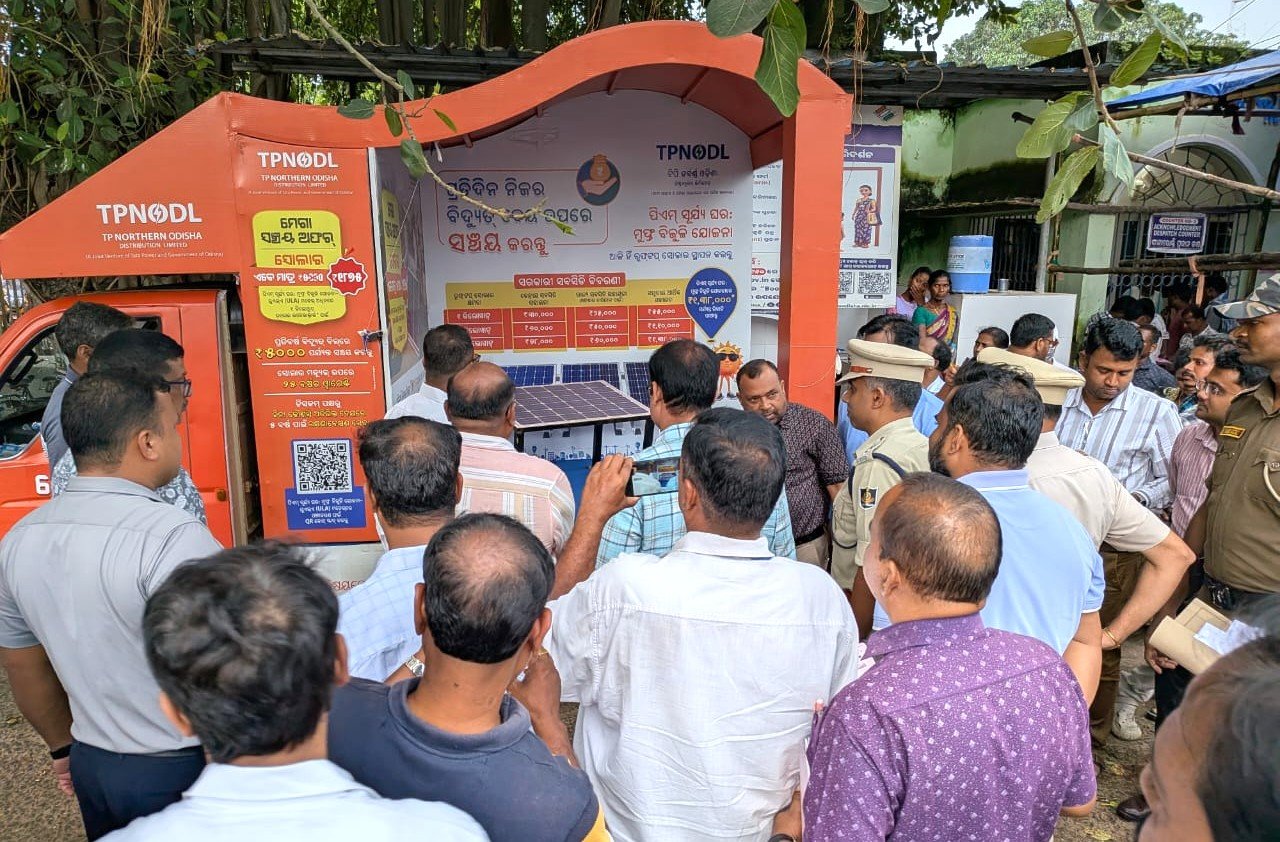
The Solar Rath initiative is one example of this consumer-first approach. During Rath Yatra, the discoms took the message of rooftop solar directly to citizens, using one of Odisha’s most widely followed public occasions to build awareness about PM Surya Ghar and make information on the scheme more accessible.
This approach reflects a broader evolution in the role of the distribution utility—from facilitating rooftop connections to actively enabling consumers to understand, access and adopt solar energy.
The impact of the ULA approach is also visible at the community level. In Matikhala village in Ganjam district, around 200 eligible households were brought under rooftop solar through the PM Surya Ghar ULA approach, creating a fully solarised village.
Such initiatives can help make rooftop solar more visible and familiar within communities. When households see neighbouring families adopting the technology, awareness of the benefits and installation process can increase, creating the potential for adoption to move from individual households towards wider community participation.
Odisha’s rapid growth has been supported by a coordinated ecosystem involving the centre and state government, regulatory institutions, district administrations, DISCOMs and industry stakeholders. The national scheme has provided the framework and financial support, while state-level incentives and an enabling policy environment have strengthened the proposition for consumers. District administrations and local institutions have helped take the programme into communities, while Tata Power-led distribution companies have supported consumer awareness and last-mile mobilisation.
The crossing of the 1 lakh ULA installation milestone within a year, alongside more than 2 lakh total rooftop solar installations in the state, underscores the pace at which rooftop solar adoption is expanding in Odisha.
For India’s broader rooftop solar ambitions, Odisha’s experience highlights the importance of combining financial incentives with sustained consumer awareness, local participation and active engagement by distribution utilities. The ULA approach, in particular, demonstrates how a community-oriented model can help take rooftop solar beyond individual adopters and into entire neighbourhoods and villages.
Odisha’s journey illustrates how coordinated implementation, consumer outreach and community-led adoption can help accelerate the transition from a policy programme to large-scale household deployment of rooftop solar.