






Strong foundations in science and mathematics can shape how young people learn, build analytical skills and prepare for a rapidly evolving economy. However, sustaining momentum in STEM (Science, Technology, Engineering, and Mathematics) learning remains a challenge, particularly among students in government schools. In Odisha, PARAKH Rashtriya Sarvekshan 2024 by NCERT and the Ministry of Education brings the challenge into sharp focus. Mathematics performance stands at 61% in Grade 3 but is at 43% in Grade 9, while Science performance among Grade 9 students is also at 43%, in government schools. The numbers point to the need for sustained academic support and more engaging and accessible ways for students to develop STEM capabilities.
To help address these learning gaps through greater use of digital learning, Axis Bank has partnered with Khan Academy India (KAI) and the Government of Odisha to support science and mathematics education across the state. The Digital Science & Maths Interventions in Government Schools programme spans all 30 districts, reaching nearly 4.5 lakh students and 16,000 teachers across 8,000 government schools.
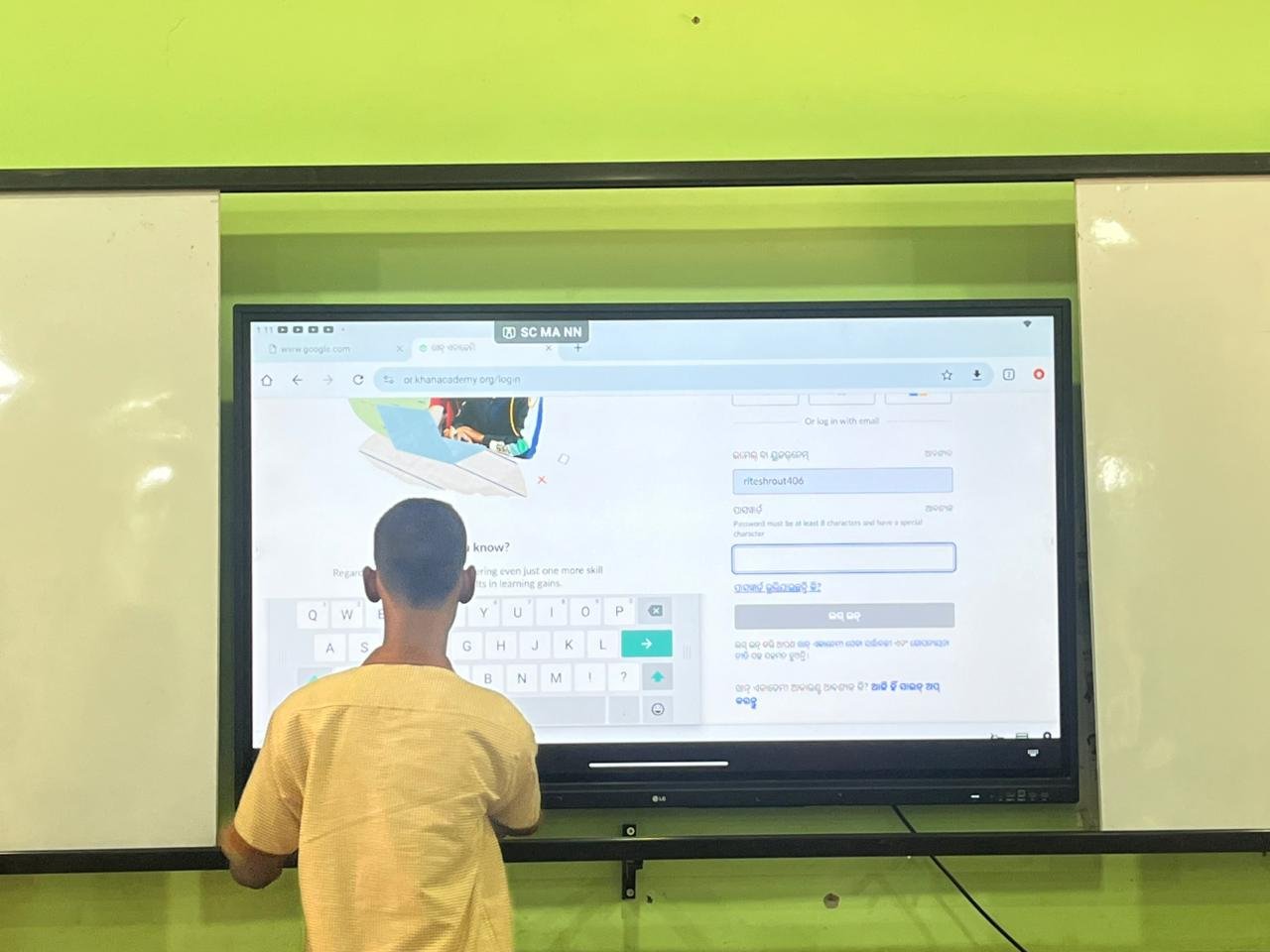
Launched in April 2024, the programme will continue through March 2028, combining personalised digital learning resources, teacher capacity building and government-led monitoring to improve STEM learning outcomes. Through the Khan Academy platform, students can access curriculum-aligned instructional videos, practice exercises and assessments, allowing them to learn at their own pace and deepen conceptual understanding.
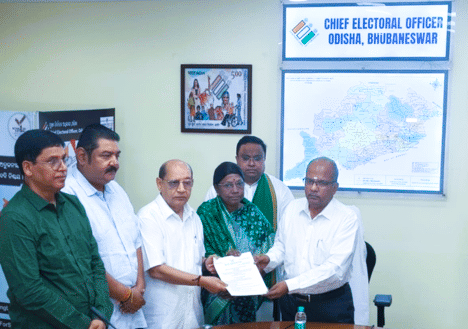
The programme is being implemented in partnership with Panchasakha Shikhya Setu (PSS), an initiative of the Odisha School Education Programme Authority (OSEPA) under the Department of School and Mass Education, Government of Odisha. The partnership provides institutional support, dedicated classroom time for STEM practice and monitoring at the state, district and block levels, helping integrate technology-enabled learning into regular classroom practices.
Nearly 99,000 students are expected to achieve mastery in 18 or more skills in STEM, while approximately 54,000 students are projected to achieve mastery in 36 or more skills.
The programme also places a strong emphasis on making digital learning relevant to Odisha’s classrooms. Khan Academy India has aligned its mathematics and science content for Grades 6–10 with Odisha’s SCERT curriculum and made resources available in Odia. These include instructional videos, practice exercises, bridge courses, revision modules and board examination support.
Teacher development is central to translating digital access into meaningful learning outcomes. A three-tier training model brings together master trainers, district officials and teachers, with online and in-person sessions complemented by phone and WhatsApp-based helpdesks. Learning analytics and dashboards allow educators and administrators to track student participation and progress, identify learning gaps and provide targeted support.
The initiative is part of Axis Bank’s broader focus on education- driving access to education in North-East India to strengthening foundational learning outcomes in Central India; to enabling systemic education in North India and building future-ready capabilities in South India. In Odisha, this reflects the Bank’s commitment to helping young people build capabilities for their future, in line with the National Education Policy and the State’s aspirations.